What Eats Stink Bugs? The Predators Worth Attracting
Stink bugs have no shortage of enemies — they are just small, mostly winged, and mostly working at night while you are indoors. The list that matters is shorter than the internet suggests: a handful of predatory insects, a few parasitoid flies and wasps, and a couple of spiders. Here is what actually hunts them, with the two predators you are most likely to meet in a North American garden.
TL;DR
- Predatory stink bugs (spined soldier bug), assassin bugs, lacewing larvae and lady beetles all take stink bugs.
- Sand wasps are specialists: they stock their burrows with paralysed brown marmorated stink bugs.
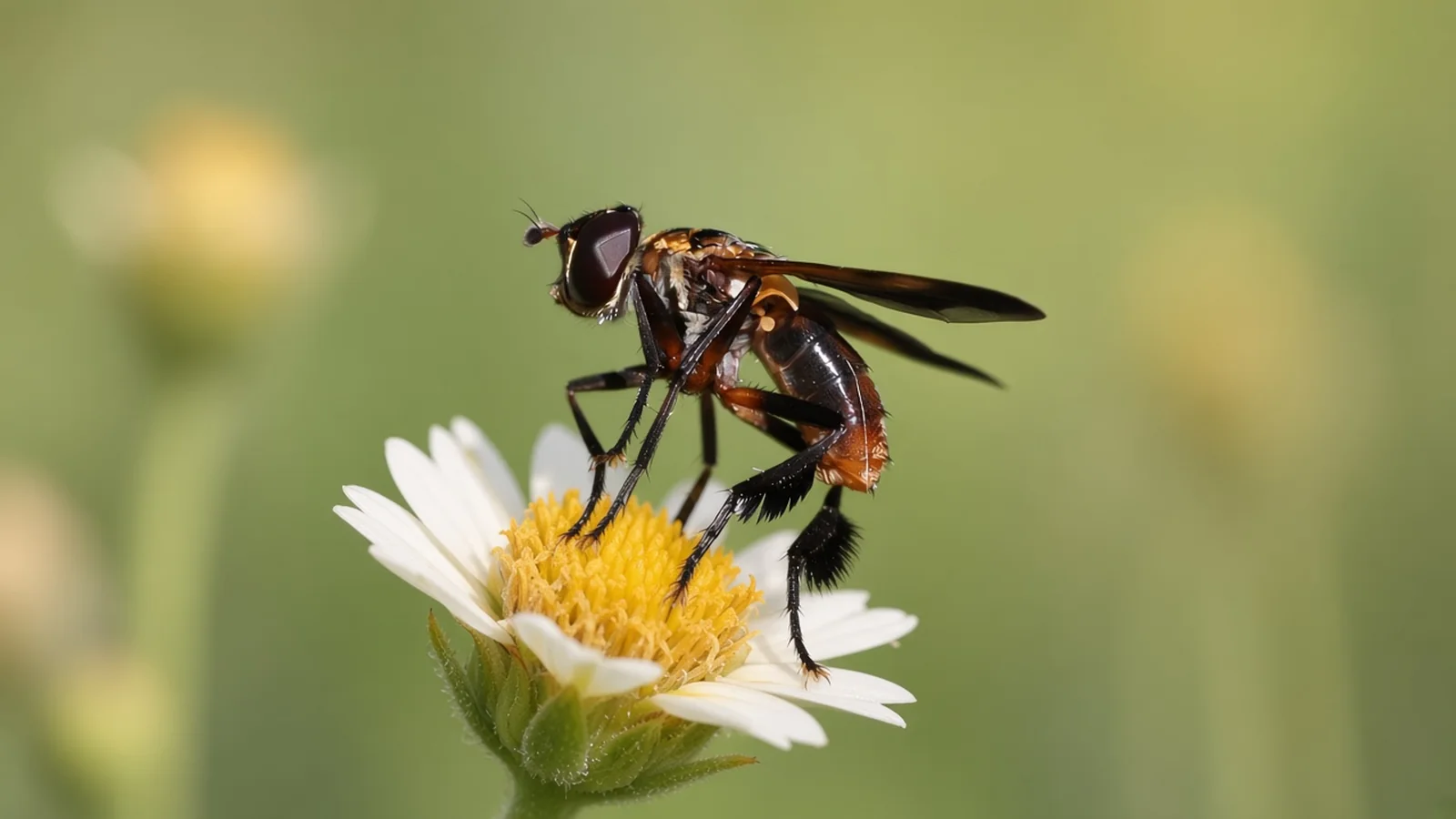
- The tachinid fly Trichopoda pennipes parasitises adult stink bugs — a fly you can identify by its feathery hind legs.
- Birds and chickens eat a few and then give up on the taste. They are not a control program.
- Predators trim garden populations; they do not stop an autumn invasion of your house.
1. Predatory stink bugs
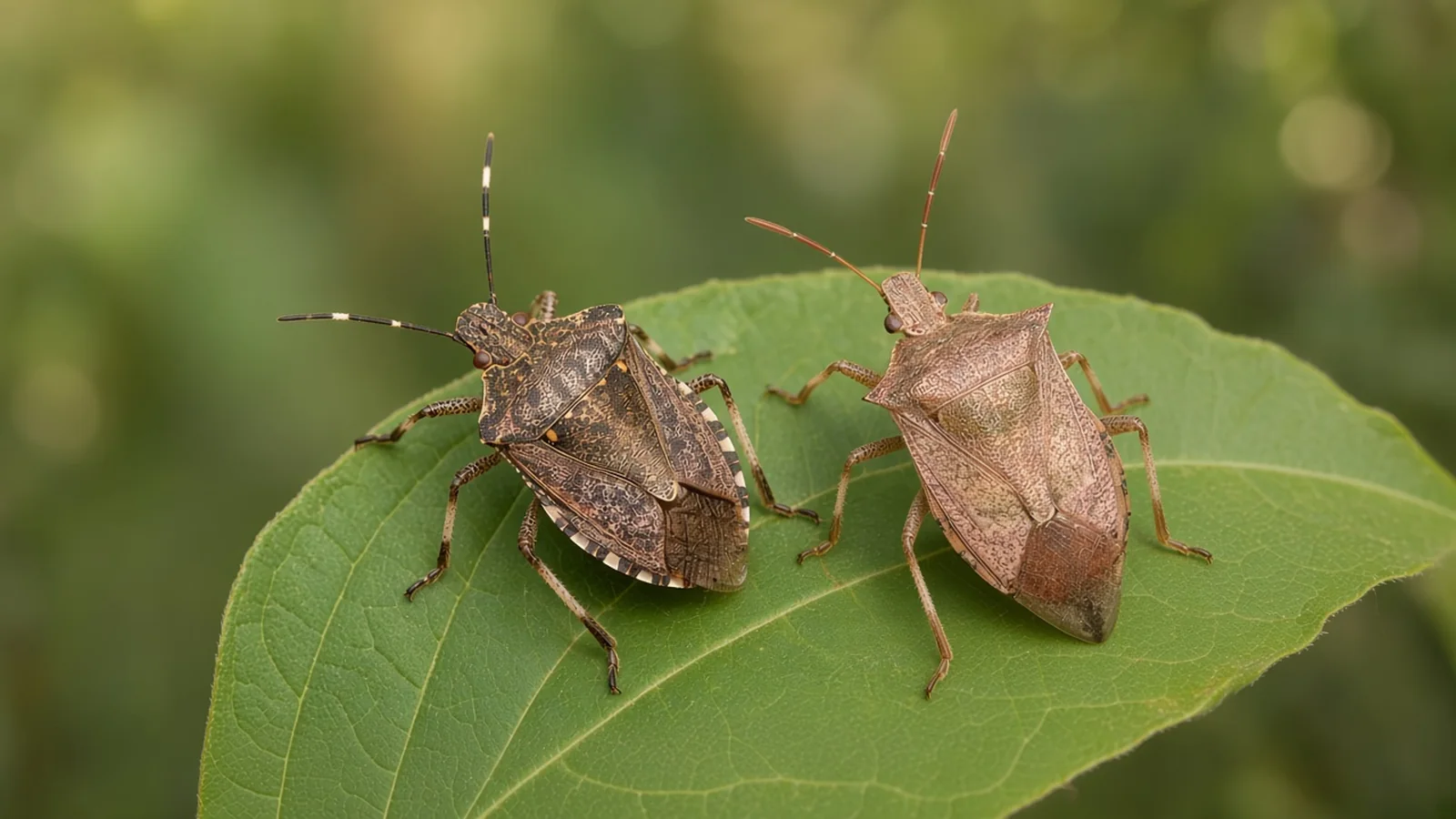
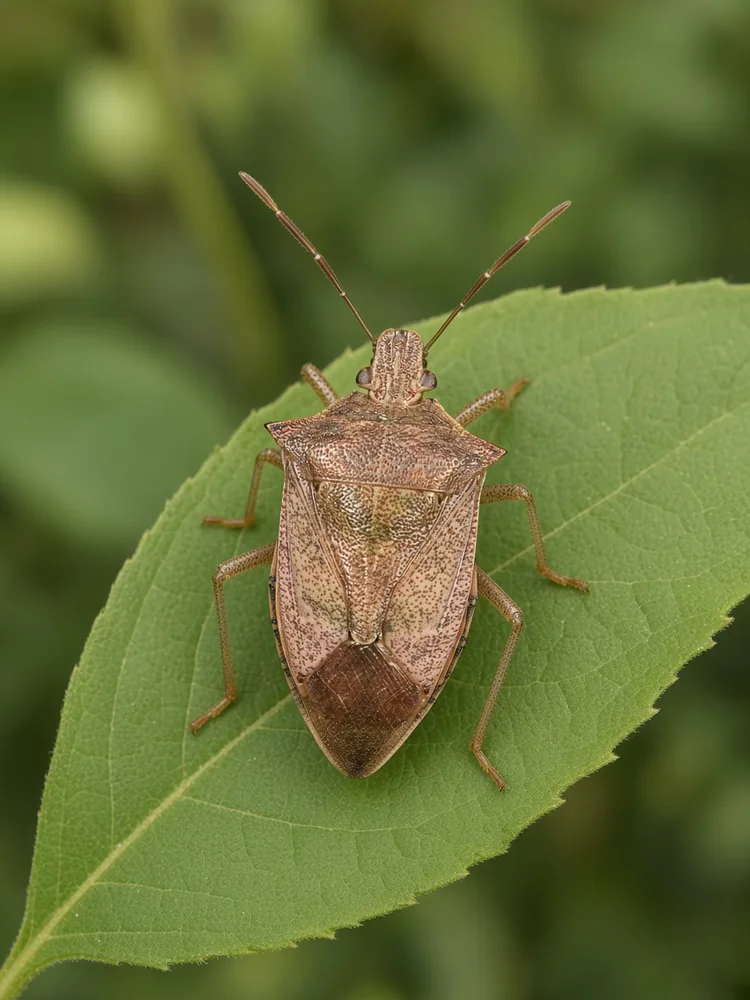
The least intuitive entry on the list: some stink bugs hunt other insects. The spined soldier bug is the common one in North American gardens — same shield shape, same family, but a beak built for piercing prey rather than sap. That family resemblance is why the native species do not get the credit they deserve, and why killing every shield-shaped bug in a garden can go badly.
2. Sand wasps that specialise in stink bugs
The Xerces Society names two: Bicyrtes quadrifasciatus and Astata bicolor. These solitary wasps nest in bare, sandy ground, paralyse stink bugs, and stock their burrows with them as food for their larvae. A single nest is stocked with a stack of paralysed bugs. If you have a patch of unpaved sandy soil that stays undisturbed, you may already have them, and the small holes are the evidence.
3. Tachinid flies
Trichopoda pennipes is the one to know: a bristly fly with feathery hind legs that lays eggs on adult stink bugs. The larva develops inside the bug and the bug dies. Xerces lists it among the natural enemies of the brown marmorated stink bug in North America. You will not see the parasitism itself — you see the fly visiting flowers.
4. Assassin bugs, lady beetles and lacewings
Generalist predators that take stink bug nymphs when they meet them: assassin bugs (the same family as kissing bugs, and the ones with the cone-shaped head), lady beetle adults and larvae, and green lacewing larvae, which are unglamorous and effective. Nymphs cannot fly, so they are the vulnerable stage — which is why predation pressure is highest in early summer, right when egg masses are hatching.
5. Spiders, and the vertebrate list
Orb weavers and jumping spiders take the ones that blunder into a web or a hunting path. Beyond that the list is thin, and for a chemical reason: the same aldehydes that make a stink bug smell are a defence aimed at vertebrates. A bird that eats one usually does not eat a second. Chickens will peck and then shake their heads. Dogs and cats get a mouthful of spray, not a meal.
How to make a garden friendlier to the predators
Xerces recommends flowering plants that feed adult predators and parasitoids: mountain mint, milkweed, bee balm and dotted mint are the ones they name for this job. Add undisturbed sandy ground for wasps, dead wood and leaf litter for overwintering insects, and stop broad-spectrum sprays that kill the predators along with the pests. That is a slow, real improvement to the balance in a garden — not a barrier against the autumn invasion of a house.
For the house side of the problem, the answer is never a predator: it is caulk, screens and a vacuum, as laid out in the natural removal guide.
Why biocontrol will not clear your house
Predators work on a landscape scale and at a slow tempo. The stink bug problem indoors happens in a two-week window each autumn, driven by weather and the physical gaps in a building. Releasing or attracting predators for that problem is a category error — which is why the practical sequence stays the same: seal the building in August, then let the wasps and flies handle the garden.
More guides
Frequently asked questions
What animals eat stink bugs?
Insects do most of the work: predatory stink bugs such as the spined soldier bug, assassin bugs, lacewing larvae, lady beetles, and parasitoid tachinid flies. Sand wasps specialise in the brown marmorated stink bug and stock their nests with paralysed adults.
Do birds eat stink bugs?
Some do, but the defensive chemical spray is exactly the kind of thing that teaches a bird not to come back for seconds. Birds are a minor factor compared with insect predators and parasitoids.
Do chickens eat stink bugs?
Chickens will peck at them, and then usually spit them out once the spray hits. A flock is not a control program, and chickens bring their own problems in a garden.
Do any predators actually control stink bugs in a garden?
They reduce numbers at the edges of a garden, particularly early in the season when egg masses are being laid. They do not stop a house invasion in autumn: that is a sealing job, not a biological one.
How do I attract stink bug predators?
Plant a strip of flowering natives such as mountain mint, milkweed, bee balm and dotted mint, which the Xerces Society recommends, and stop broad-spectrum insecticide use. Predators need nectar and undisturbed habitat as much as they need prey.